
As I write this England is in the middle of its fourth1 heatwave of the year, with temperatures hitting 38° celsius (100° Fahrenheit). Now I realise the citizens of other, generally hotter, countries (particularly the US and Australia) can be inclined to mock us when we complain about temperatures like this, but there is an important thing that they tend to forget: we don’t have air conditioning. Okay, that isn’t entirely true, but it is mostly true – only around 3% of homes in the UK have it – and until recently there really didn’t seem to be much need for it. Furthermore, the vast majority of our houses are built out of brick, and our apartments are made of concrete. Initially slower to heat up, over a prolonged period like this they do get hot, and then don’t cool down at night. The temperature in my bedroom overnight has been above 30°C (86°F) several times this year already. All of this has inspired me to explore the history of air conditioning.

In the days before mechanical refrigeration many of the methods of keeping homes cool were architectural. Across the ancient world dwellings were constructed around a central courtyard, with thick exterior walls that lacked windows or other openings apart from an entry door. While such a design was clearly defensive, it also helped to beat the heat. The rooms would face a shaded, often colonnaded, courtyard that would frequently have a pool of water in the centre.
In Persian architecture there is a more ingenious feature that dates back more than three thousand years. The bādgīr (بادگیر, usually transliterated badgir, bādgīr or baadgir) takes it name from the words bād, meaning “wind”, and gīr, meaning “catcher” — it is, you might have already guessed, a “wind-catcher.”2 It is a tower built above a building with openings that catch the wind and funnel it down into the rooms below.
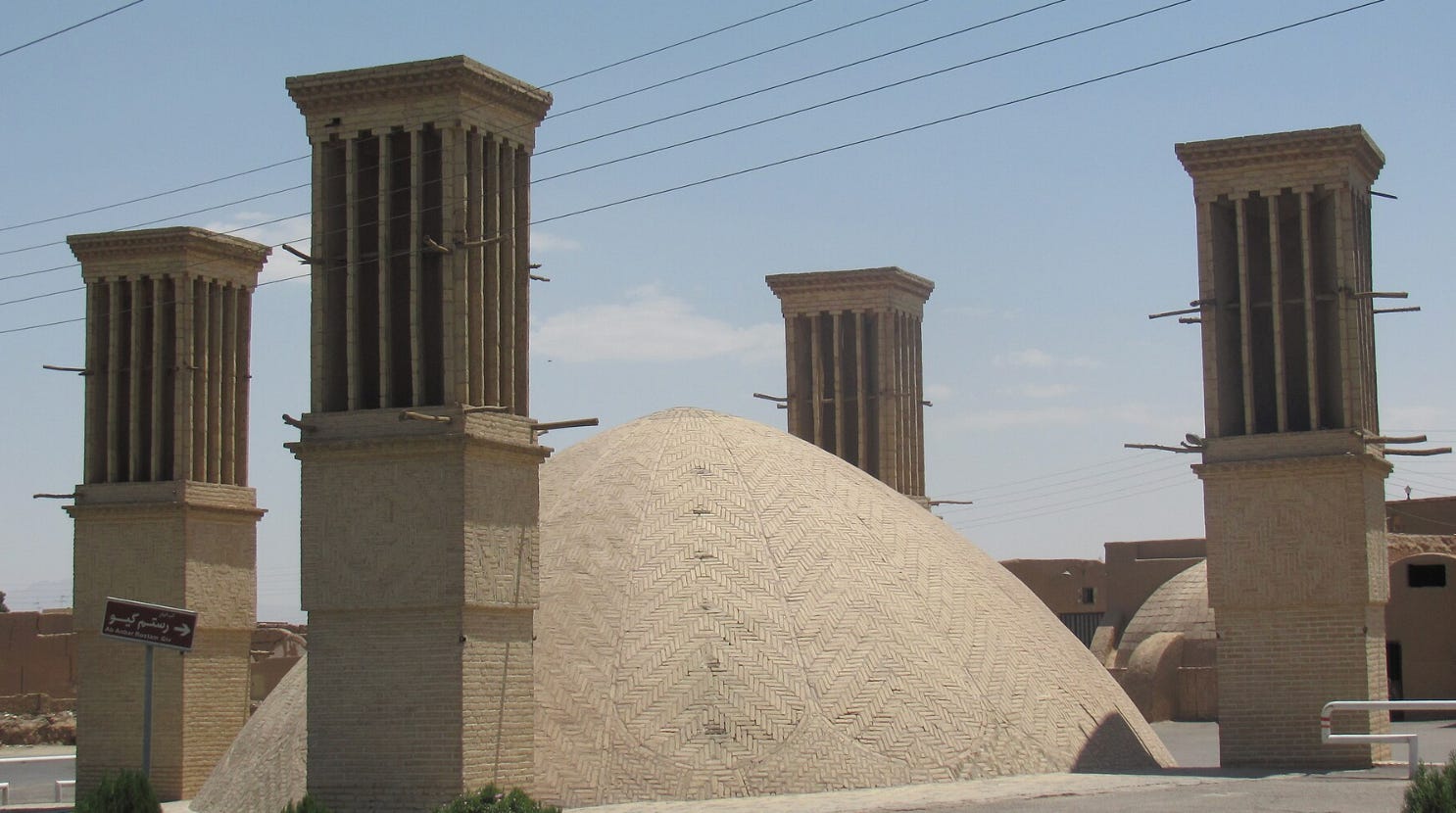
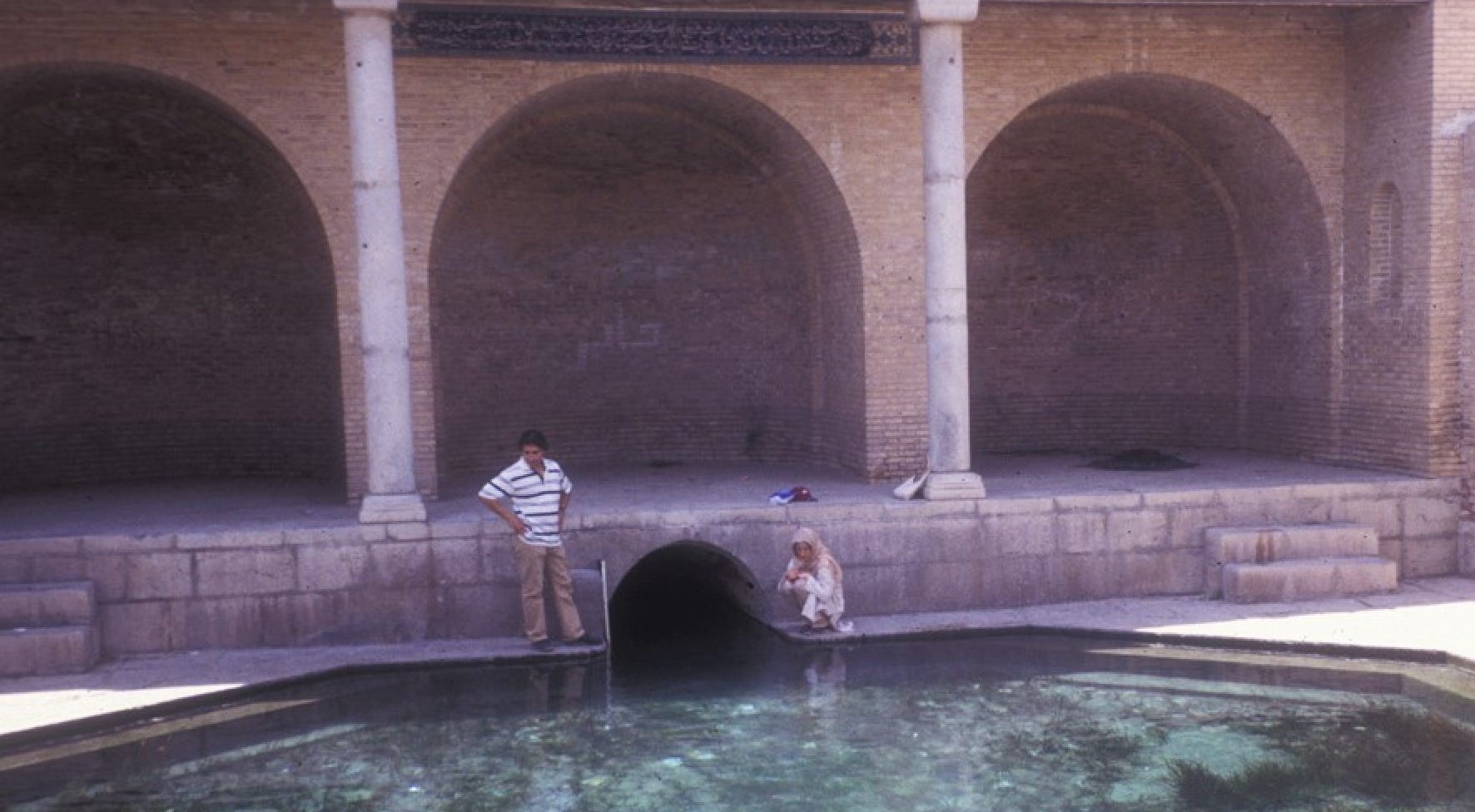
This would produce a nice breeze, and shift the stultifying air from the home, but when combined with a qanat it could really create something akin to air conditioning. Everyone is familiar with the idea of a well – you dig a hole down until it hits the water table, it fills with water, and you then haul the water to the surface. There is obviously a lot of work involved in lifting all of that water up, and there is another potential problem – the water table may not be accessible in a place where you want to use the water.
One solution to this would be to use windmills or animals to pump the water up, and then have it flow down channels to where it is needed. But this still takes a lot of work and you are likely to lose a lot of your precious fluid through evaporation. The brilliant solution devised by the Persians was to find an aquifer on relatively high ground then dig a gently descending tunnel from it towards lower ground where it will eventually emerge. This means that your water will be moved simply by gravity, and it will arrive cool and without loss at the point it will actually be used. It took incredible feats of engineering to create these qanats – one near Yazd was reported to be almost 50 kilometres (30 miles) long.3 If you were wealthy enough then you could have a pool of cold qanat water in your home that was constantly refreshed. Construct your bādgīr in a sufficiently cunning way then the air it delivers would blow across the water, cooled both by its temperature and the evaporation of the liquid, and chill your home in the heat of the summer’s sun.

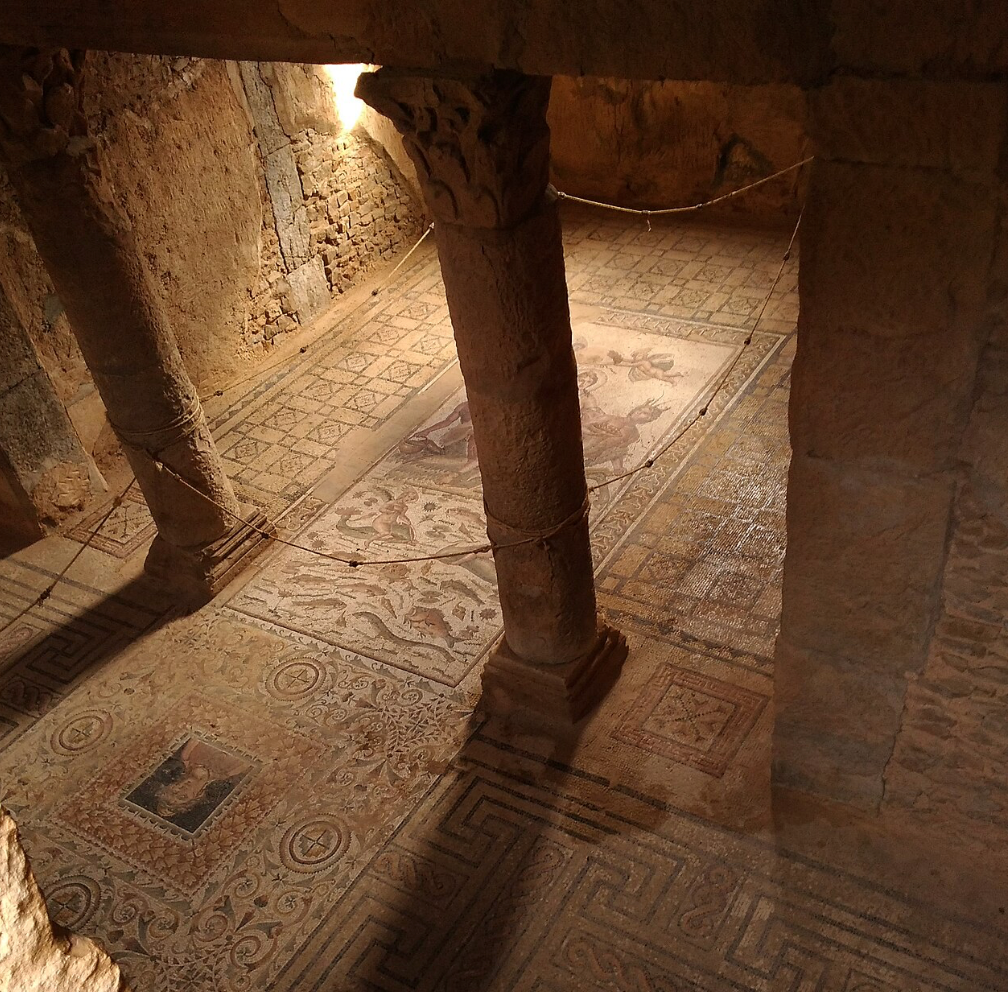
Just as one could build up into the sky as a means of cooling a house, one could also dig into the ground. As anyone who has walked into a cave on a summer’s day will know, the surrounding earth and rock will take a long time to warm up,4 even in the harshest of heat, and so will naturally be cooler than the surface. I saw some perfect examples of this when I visited the Roman ruins in Bulla Regia, an ancient city in what is today north-western Tunisia, earlier this year.5 Wealthy houses had an entire second set of reception and living rooms built underground in a style known as subterranean domus. You might be thinking that these were crude cellars, but they were nothing of the kind. They had columns, courtyards, frescos, and some of the most beautiful mosaics I have ever seen. Combined with ingeniously constructed light wells they would have been very salubrious places to spend an August afternoon.

I remember reading, as a child, about how ancient Egyptians kept their homes and palaces cool by hanging up large mats of rushes, soaking them with water, and having slaves waft air through them, creating a pleasant breeze. I was excited6 to include this little historical detail here, only to discover, to my great disappointment, that there isn’t robust evidence to support it. In south Asia, however, we find Khus mats – traditional cooling screens made from the fragrant roots of vetiver grass (Chrysopogon zizanioides). They were hung over doors, windows and verandas and repeatedly wetted with water. Hot, dry air passing through the damp mat was cooled by evaporation, while the vetiver roots released a distinctive earthy, woody fragrance. Servants might splash the screens throughout the day, or things could be so arranged as to allow water to drip over them continuously.
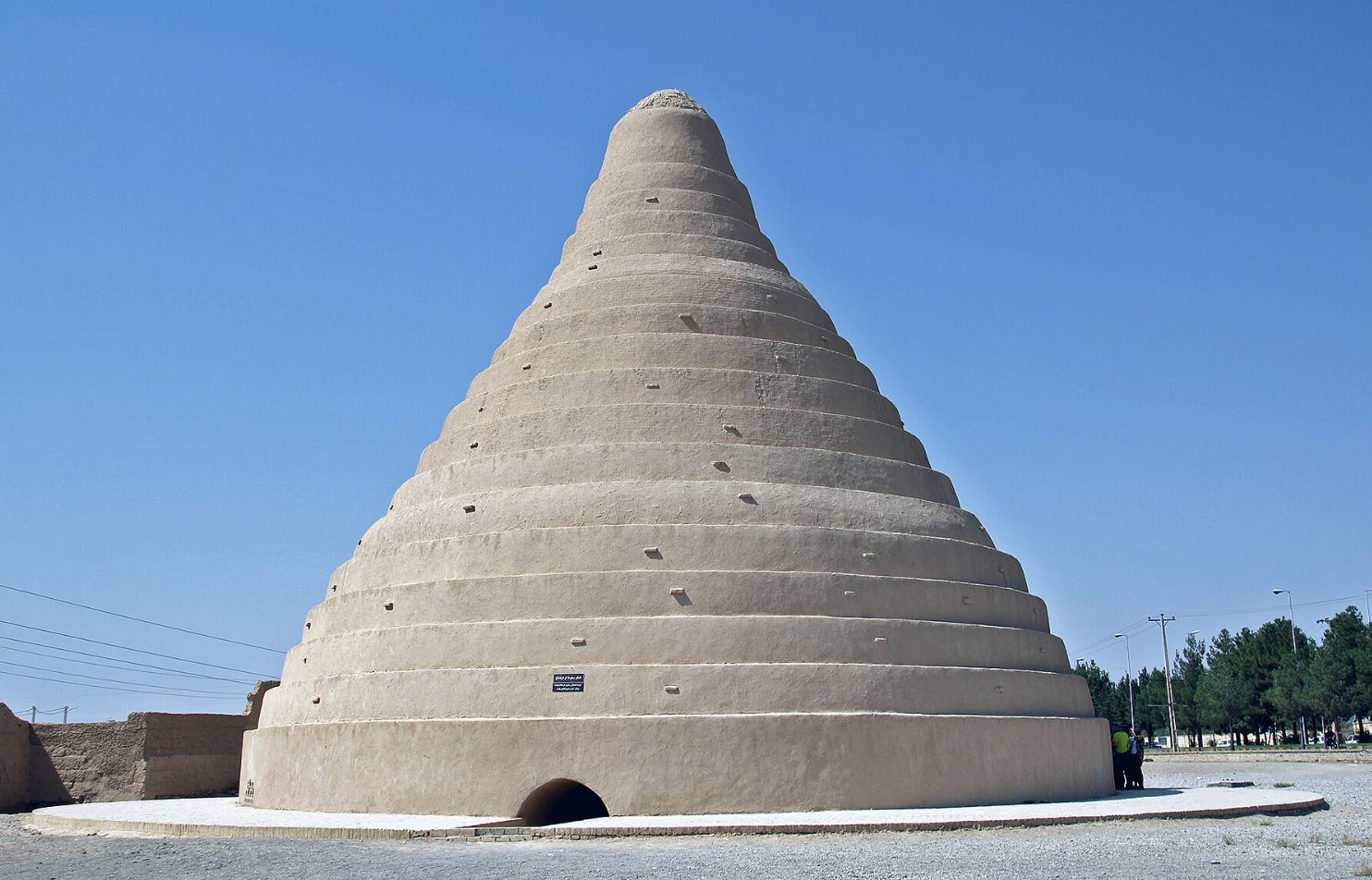
Of course if you want to be really cool during the hot summer months what you really need is some ice. The Persians, once again, displayed incredible ingenuity thousands of years ago to ensure they could have access to this precious commodity year-round. They achieved this through building yakhchālhā (یخچالها, literally “ice houses/refrigerators.”) for perhaps as long as 2,400 years.7 You may be familiar with ice-houses that survive in the grounds of British stately homes, but a yakhchāl was not simply some kind of cold cellar; it was usually part of an integrated ice-making and storage system. A classic yakhchāl complex had three main elements:
A long, high shade wall, usually running roughly east–west.
Shallow freezing pools on the shaded northern side of that wall.
A deep insulated ice store, often covered an enormous mud-brick dome.
During winter, water – often supplied from a qanat – was allowed into the shallow pools in the evening. The wall prevented the low winter sun from warming the water during much of the day. On sufficiently cold, clear, nights8 a layer of ice would form on the pool, and it would then be broken up and transferred into the yakhchāl's underground chamber. Straw would often be packed around the ice to provide additional insulation and this, in concert with the very thick walls, and holding the majority of the ice below ground, meant that it could survive through the summer.

As I mentioned earlier, ice houses were common features in the grounds of grand houses across Europe and beyond. They were also to be found in most towns and cities, with the ice being either harvested locally during the winter months, or transported there from colder climes. The harvesting and shipping of ice was for a long time a fairly ad-hoc business. Farmers and labours would cut the stuff from local ponds, it would be put on the back of horse carts, often packed with straw, and it would slowly make its way to where it was needed. Suffice to say there was little standardisation to the resulting product – the cutters would judge the ice by eye, and hack it out using whatever axes, saws, chisels and crowbars they might have to hand – it was very much a cottage industry.
The problem with this approach was one of packing efficiency. The owner of an icehouse would want as much ice and as few gaps of empty space in their precious building as possible. Similarly, if one wanted to transport ice by cart, or railcar, or even by ship every inch of wasted space was costing you money. Furthermore, the more gaps you had between the ice blocks you had, the greater the surface area exposed to the air, and the faster the ice would melt. Finally, irregularly shaped blocks were difficult to stack safely. Ice-cutting was ripe for industrialisation, and the man to do it was Nathaniel Jarvis Wyeth (1802–1856). Wyeth grew up in Cambridge, Massachusetts where his father operated the Fresh Pond Hotel, close to, unsurprisingly given the name, Fresh Pond, a substantial body of clean water a few miles from Boston. By 1825 he was managing the ice-cutting operations of Frederic Tudor (of whom we will learn more shortly).
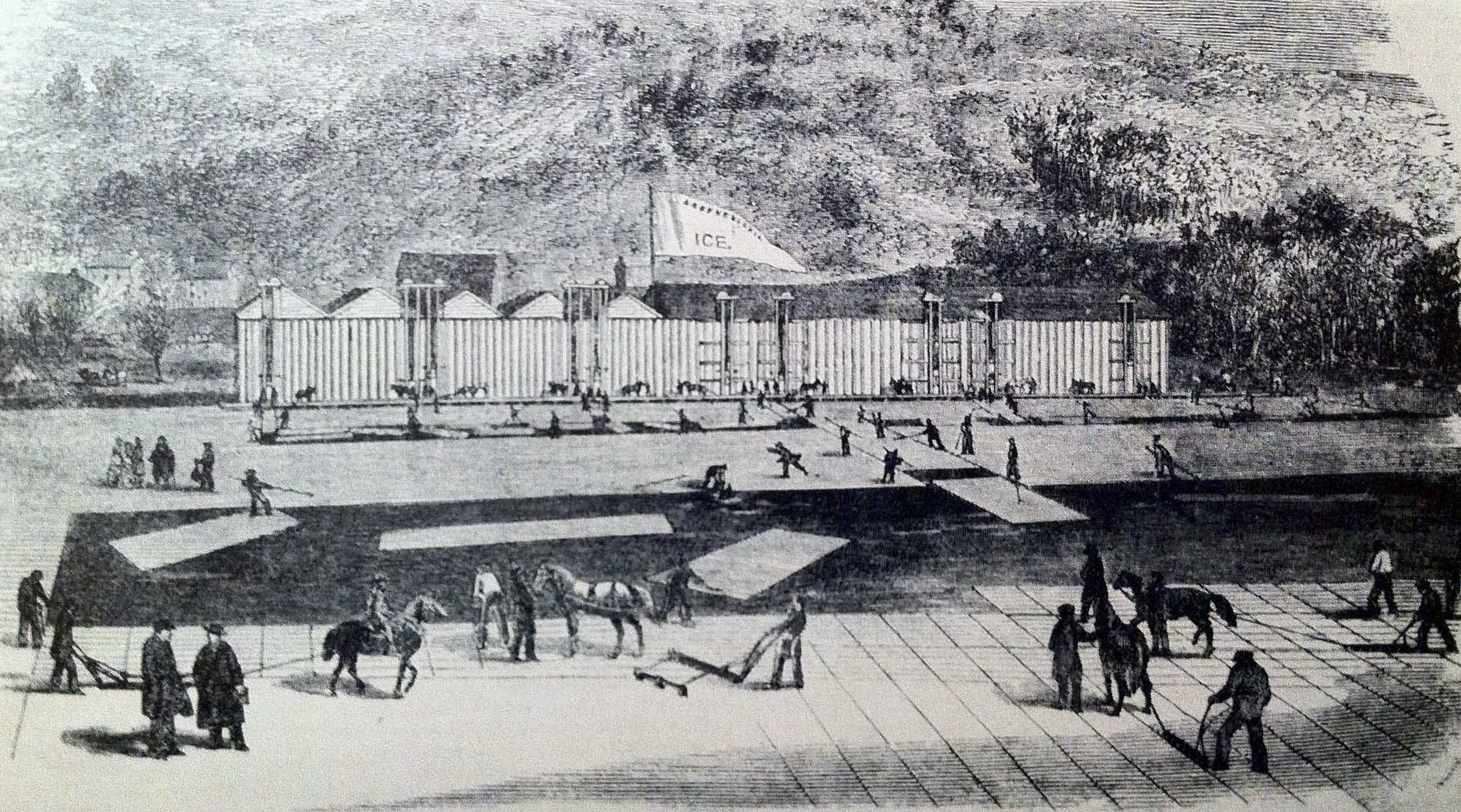
Frustrated by the lack of efficiency and poor quality of the traditional processes he devised a horse-drawn ice cutter (also known as an ice plough). Initially this consisted of two parallel iron runners or beams, spaced approximately the intended width of an ice block apart attached to which was a succession of steel cutting teeth. The teeth did not all project to the same depth; each successive tooth extended a little farther downward than the preceding one. As a result, rather than requiring one blade to gouge a deep trench through hard ice, the first tooth scratched a shallow groove, the next deepened it slightly, the next went deeper still, and so forth. While the cuts were deep, they didn’t go all of the way through the ice. After one pass had produced two straight parallel grooves, the cutter could be repositioned so that one part of the machine ran in an existing groove. That groove now acted as a guide rail, ensuring that the next cut was precisely parallel to the previous one. Once this had been completed across the whole ice field, the apparatus was turned by ninety degrees and the process repeated. The result was a perfect checkerboard of scored ice, from which rafts would be broken off, floated to the shore, and individual blocks separated using a crowbar, just as in the illustration above.
While Wyeth was clearly the engineering innovator, Frederic Tudor (aka Boston’s “Ice King”, 1783-1864) was the commercial visionary. At an early age he realised that a market for ice extended far beyond New England, and that far greater prices could be achieved if it were possible to ship it to tropical climes. In 1806 he purchased the brig Favorite and sent it off one the 1,500 mile (2,400 kilometre) voyage from Charleston, South Carolina to Martinique in the Caribbean, packed with ice from his father’s farm. The Boston Gazette reported at the time, “No joke. A vessel has cleared at the Custom House for Martinique with a cargo of ice. We hope this will not prove a slippery speculation.” Sadly for Tudor, it did turn out to be fairly slippery – most of the ice melted on the voyage and he made a loss on the venture. Undeterred, he sent his brother and cousin out to secure ice monopolies across the various Caribbean islands, offering terms like these:
We wish you to procure from the gov' of Cuba a grant exclusive in which we offer you either to take a conces' of half or procure the privilege for us & we engage to pay you one thousand dollars with reasonable charges, in obtaining it you, however, to determine which you will do & write to that effect as early as possible.
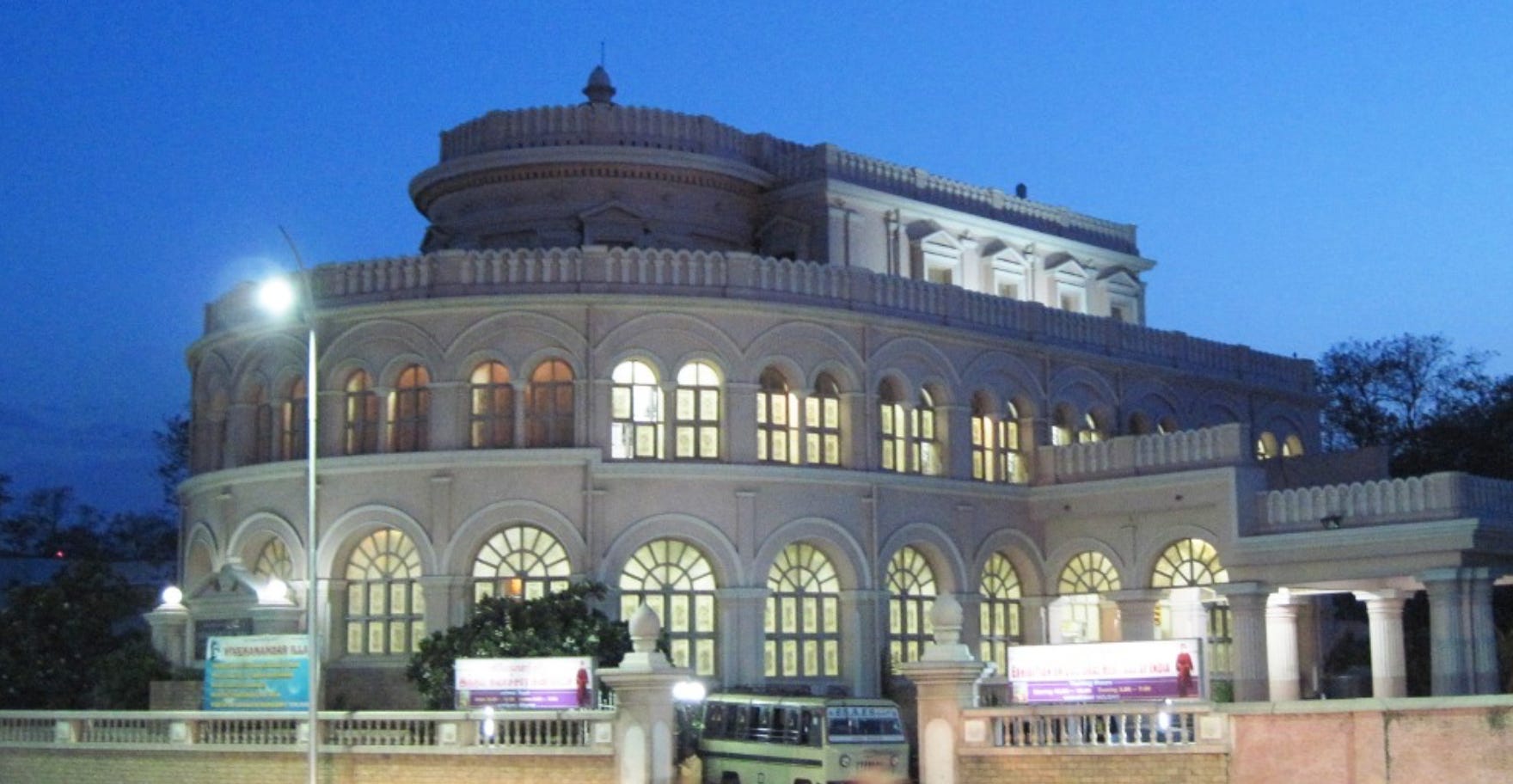
The early years of Tudor’s business were, to put it mildly, challenging, but by 1810 he made his first profit (only to make losses in a number of the subsequent years).9 One thing in his favour was that it was ships returning to the West Indies, having disgorged their cargos of fruit and sugar in the US, were often empty, so filling them with ice was fairly cheap. Wyeth’s10 invention of the ice plough was a game-changer, for the reasons detailed above, and enabled Tudor to triple his ice production. In September of 1833 when one of his ships sailed up the Ganges in India few of the locals believed that it really contained ice, yet of the 180 tonnes that had started the long voyage 100 had survived. India would become his most lucrative market, and Tudor constructed elaborate ice houses there to store his product. One of these survives to this day, as the Vivekanandar Illam in Chennai.

Ultimately however Tudor’s business collapsed, due to the rise of the subject of my next piece: mechanical refrigeration.
Actually it turns out to be the fifth. I lost track. Did I mention how hot it is?
It wasn’t just the Persians building them. An Egyptian representation of the house of the official Nebamun, dated to around the 14th–13th century BCE, seems to show rooftop wind-catching structures. Today the Egyptian descendant of this technology is known as the malqaf.
So complex was the engineering required that it had its own body of technical literature. Around 1000 CE the Persian mathematician and engineer al-Karaji wrote a treatise on underground water, Inbāṭ al-miyāh al-khafiyya—usually translated as The Extraction of Hidden Waters.
What is called “thermal inertia”.
Yes, I did take pictures. No, they were not as good as the ones on Wikipedia.
It clearly doesn’t take a lot to excite me…
They are widely said to date back to 400 BCE but I haven’t found wholly robust evidence to suggest that they are that old.
While the majority of the ice production would take place during the winter, deserts can get surprisingly cold at night year round. I have been in the Black Rock desert in Nevada – where the daytime temperature is frequently above 40°C – in August and have the temperature drop below freezing at night.
He spent parts of 1812 and 1813 in debtors’ prisons, but had an uncanny ability to bounce back.
The two ended up having a big falling out…